
Understanding gate latch fundamentals
A gate latch serves as the primary security mechanism that keeps your gate securely closed while allowing easy access when needed. With growing security concerns driving 39% of hardware purchases for planned replacements, selecting the right gate latch has become essential for both safety and property value.
According to Home Improvement Research Institute data, the hardware market reached $20.6 billion in 2024, with gate latch installations becoming increasingly sophisticated as homeowners prioritize security and smart home integration.
Popular gate latch types for 2025
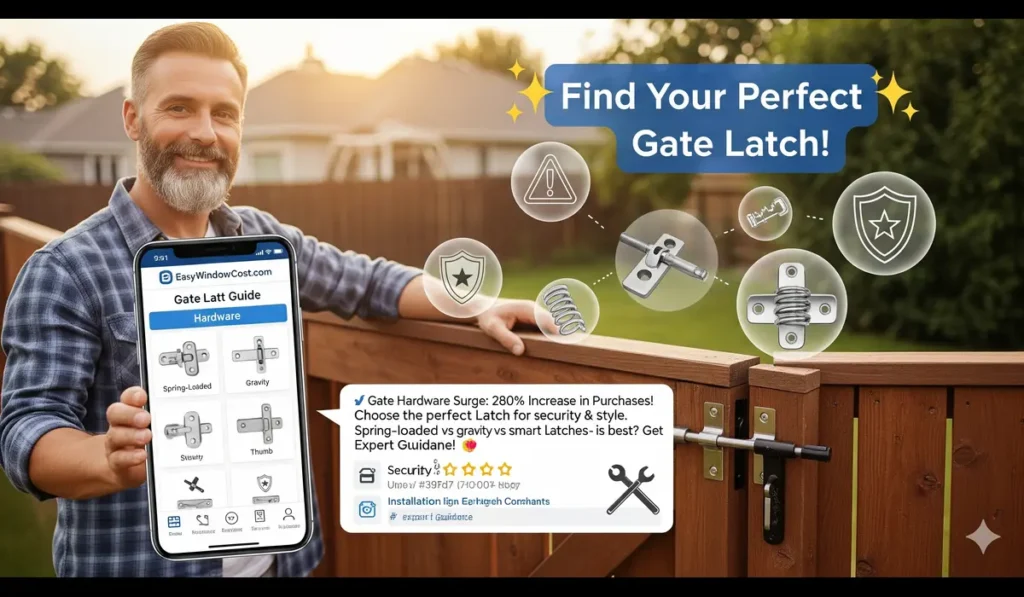
Modern gate latch options range from simple gravity mechanisms to advanced smart systems. Spring-loaded latches remain the most popular choice, offering smooth operation and automatic closure that prevents accidental gate openings. Each gate latch type serves specific needs depending on your security requirements, usage frequency, and aesthetic preferences.
The mechanical latch industry is experiencing transformation through miniaturization, enhanced security features, and eco-friendly materials. Today's gate latch systems incorporate advanced materials like stainless steel and aluminum for superior corrosion resistance and longevity.
| Gate Latch Type | Security Level | Ease of Use | Best Application |
|---|---|---|---|
| Spring-Loaded | High | Very Easy | Residential gates, pool areas |
| Gravity Latch | Medium | Easy | Garden gates, low-traffic areas |
| Thumb Latch | Medium | Moderate | Decorative gates, in-swing only |
| Smart Latch | Very High | App-controlled | High-security applications |
Spring-loaded vs gravity gate latch mechanisms
Spring-loaded gate latch systems use spring tension to automatically secure the latch arm in place, providing consistent closure regardless of gate swing speed. This gate latch type offers superior reliability and can be locked with padlocks for additional security, making them ideal for homes with children or pets.
Gravity latches represent the most basic gate latch design, using gravitational force to drop the latch arm into position when the gate closes. While simple and cost-effective, this gate latch style may not provide adequate security for high-traffic areas or valuable property protection.
Smart technology integration in gate latches
The evolution toward smart gate latch systems reflects broader home automation trends, with consumers increasingly seeking connected security solutions. Modern smart gate latch options offer remote access control, activity monitoring, and integration with home security systems for comprehensive property protection.
Installation considerations vary significantly between gate latch types, with some requiring professional installation while others offer DIY-friendly mounting systems. When planning gate hardware upgrades, professional consultation services can help ensure optimal security and functionality for your specific property needs.
Materials and durability considerations
Contemporary gate latch construction emphasizes weather resistance and longevity, with stainless steel becoming the preferred material for coastal environments. Marine-grade hardware prevents corrosion while maintaining smooth operation through temperature extremes and moisture exposure.
Powder-coated finishes on gate latch hardware provide both aesthetic appeal and protection against UV damage and scratching. Quality gate latch systems typically include zinc-plated fasteners and stainless steel springs to ensure reliable operation for decades of daily use.